The Uncomfortable Truth: Most Bone Broth Isn't Real Bone Broth
The bone broth market has exploded. And like every category that grows too fast, it has attracted a wave of products that wear the label without delivering the substance.
Walk into any supermarket and you'll find shelves of products called "bone broth." Most of them are flavoured stocks, diluted extracts, or products so heavily processed that their nutritional similarity to real bone broth is effectively zero.
This matters because you're not buying bone broth for its flavour. You're buying it for collagen, glycine, gelatin, and minerals — the compounds that take 12 to 18 hours of slow simmering to extract properly. A product that shortcuts this process delivers the taste but none of the nutrition.
Knowing how to read a bone broth label is the most important skill you can develop in this category. This guide gives you exactly that.
What Real Bone Broth Actually Is
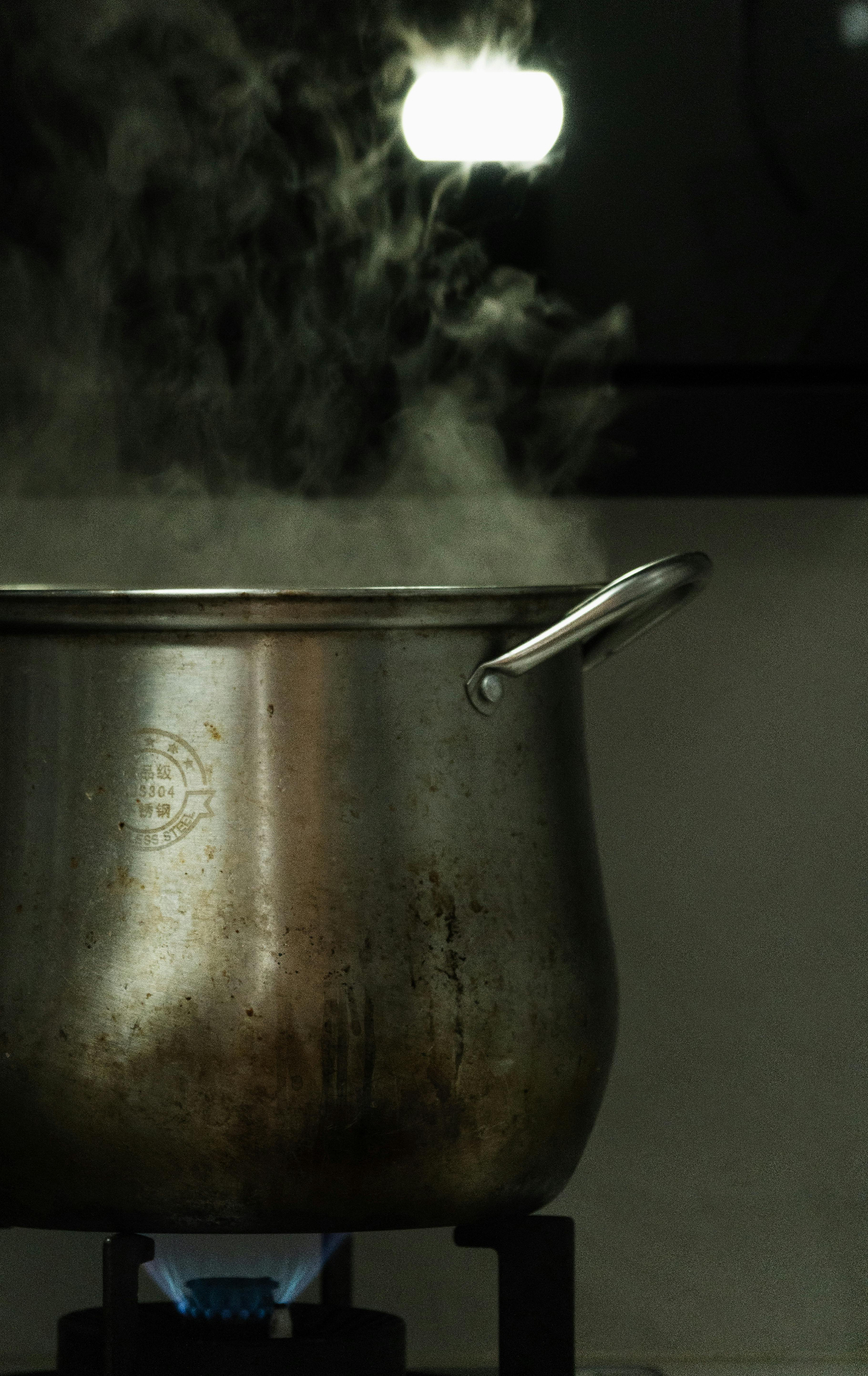
Genuine bone broth is made by slowly simmering animal bones — beef, chicken, or a combination — in water for a minimum of 8 hours, and ideally 16 to 24 hours.
During this long, slow process, something remarkable happens: collagen is extracted from the bones and connective tissue and converted into gelatin; minerals — calcium, magnesium, phosphorus, potassium — leach from the bones into the liquid; glycine, proline, hydroxyproline, and glutamine are released into the broth; and the resulting liquid becomes deeply gelatinous, especially when cooled.
That last point is the most important. Real bone broth, when refrigerated, should turn into a gel or a jelly. If a "bone broth" product stays liquid when cold, it has not been cooked long enough — or it has been processed in a way that destroys the gelatin. It is not real bone broth.
This single test — the gel test — tells you more about a bone broth's quality than any label claim.
6 Things to Look for When Choosing a Bone Broth
1. Cooking time — the most critical variable
This is the single most important number on the label. Bone broth cooked for less than 8 hours will have minimal gelatin content. Bone broth cooked for 12 to 24 hours will be rich in collagen, minerals, and the full spectrum of amino acids you're after.
Look for brands that specify their cooking time explicitly. If it's not on the label, ask — or assume the worst. The Osso slow-cooks its broth for 18 hours, long enough to extract maximum collagen and mineral content from the bones.
2. Bone source and quality
The quality of the bones determines the quality of the broth. Grass-fed, pasture-raised animals have a significantly better nutrient profile than conventionally raised animals — higher omega-3 fatty acids, better mineral density, and a cleaner overall composition.
Organic certification means the animals were raised without antibiotics or synthetic growth hormones — important both for nutritional quality and for avoiding unwanted residues in the final product.
If a brand doesn't mention the sourcing of its bones, you should assume they are conventional and unverified.
3. Ingredient list — shorter is always better
Real bone broth has a very short ingredient list: bones, water, and perhaps some vegetables, herbs, and a small amount of salt.
Red flags to watch for: hydrolysed proteins (a cheap alternative to real collagen extraction); flavour enhancers (E621, monosodium glutamate, yeast extract) — used to mask the flavour of low-quality, short-cooked broth; maltodextrin, starch, or fillers — added to give body to a thin product; "natural flavourings" — a catch-all that can mask significant processing.
If you see any of these, you are looking at a flavoured stock designed to imitate bone broth — not the real thing.
4. Sodium content — a hidden red flag
High sodium content is often a sign of a low-quality product. Heavily salted broths are typically masking the thin, flat flavour that results from insufficient cooking time or poor-quality bones.
A well-made bone broth has a rich, full flavour from the gelatin and minerals — it doesn't need to be heavily salted. Look for products with minimal added sodium, and be suspicious of anything that leads with salt as a primary flavour component.
5. Format and storage — does it fit your life?
The best bone broth in the world is useless if you won't drink it consistently. And consistency is everything — the benefits of bone broth compound over weeks and months, not days.
Liquid bone broth requires refrigeration, has a short shelf life, and needs careful packaging to avoid leakage. It's excellent for cooking but can be inconvenient for a daily habit.
Bone broth sticks — like The Osso — are concentrated, shelf-stable, and dissolve in hot water in under a minute. They make the daily habit completely frictionless, which is the most important practical consideration of all.
6. Transparency of production
Brands that make real bone broth are proud of how they make it. They tell you the cooking time, the bone source, the certification, and the nutritional profile. Brands that don't share this information are almost always hiding something — usually a shortcut.
Chicken vs Beef Bone Broth — Which Should You Choose?
Both are excellent, but they have meaningfully different nutritional profiles.
Chicken bone broth is lighter in flavour and higher in glucosamine and chondroitin — the compounds most directly associated with joint cartilage health. It also tends to have a higher ratio of glycine to total flavour intensity, making it more versatile as an everyday drink. For gut healing, sleep, and daily consumption, chicken bone broth is often the more practical choice.
Beef bone broth is richer, more full-bodied, and tends to have a higher mineral content due to the denser structure of beef bones. It gels more firmly when cooled — a sign of higher collagen content. For those primarily focused on collagen, skin, and deeper nutrition, beef bone broth has an advantage.
The simplest approach: choose the one you'll actually drink every day. Consistency beats perfection every time.
The Gel Test: The Most Reliable Quality Check
Before buying a liquid bone broth — or after receiving your first batch — refrigerate a small amount overnight. Check it in the morning.
Firm gel: excellent collagen content. This is what you want. Soft gel or jiggly texture: good collagen content. Still high quality. Liquid: minimal collagen. This is not real bone broth.
For powdered or concentrated bone broth (like sticks), look for brands that explicitly mention gelatin or collagen content, and prioritise those who specify cooking time and bone sourcing.
“If a bone broth doesn't gel — or doesn't tell you how long it was cooked — it isn't bone broth.”
Frequently asked questions
- Is store-bought bone broth as good as homemade?
- It depends entirely on how it's made. Mass-produced supermarket bone broth is almost always inferior to well-made homemade broth. Small-batch producers who specify cooking times, bone sourcing, and avoid additives can match or exceed homemade quality. The key is knowing what to look for — which is exactly what this guide is for.
- What's the difference between bone broth and stock?
- Stock is made from bones and vegetables cooked for 2–4 hours for flavour. It has culinary value but minimal nutritional content. Bone broth is made specifically to extract collagen, gelatin, and minerals from bones, requiring a much longer cooking time. The difference is significant — and the two are not interchangeable as nutritional products.
- How can I tell if powdered bone broth is real?
- Look for: explicit cooking time of the source broth, grass-fed or organic bone sourcing, short ingredient list without additives, and a brand that explains its production process transparently. Avoid products that list "hydrolysed collagen" as a primary ingredient rather than real bone broth — these are collagen supplements masquerading as broth products.
- Does organic certification matter?
- Yes — particularly for bone broth, because the bones concentrate nutrients and potentially contaminants from the animal's diet and environment. Organic bones come from animals raised without synthetic pesticides, antibiotics, or growth hormones, resulting in a cleaner end product.
- How should bone broth taste?
- Good bone broth has a rich, rounded, savoury flavour with a slight silkiness from the gelatin. It should not taste thin, watery, or aggressively salty. If the primary flavour is salt rather than depth, the cooking process has been shortcut.